
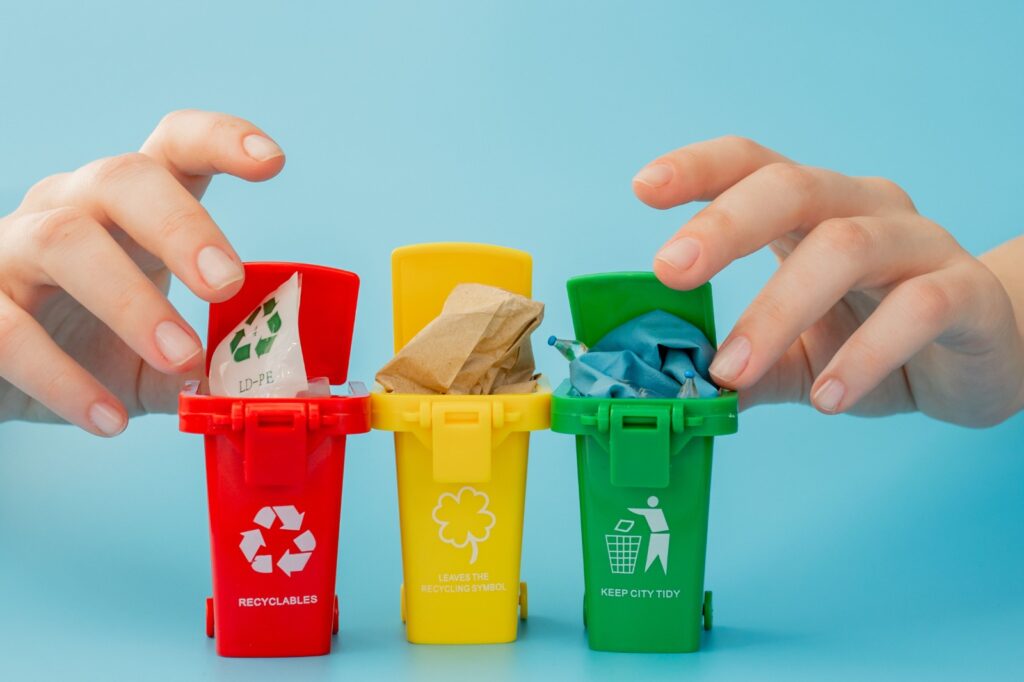
In the modern era, the global community is facing an escalating challenge – waste. As our population burgeons and consumption patterns evolve, the waste generated has reached unprecedented levels.
However, amidst this growing dilemma lies an opportunity for change and sustainable practices. In this blog post, we delve into the intricate world of waste management, exploring its importance, current challenges, and effective strategies for a cleaner, greener future.
The Importance of Waste Management:
Waste management is not merely about discarding waste; it is a critical process that involves collection, transportation, disposal, and recycling of waste materials. Proper waste management is essential for several reasons:
- Environmental Impact: Inadequate waste management poses a severe threat to the environment. Improper disposal methods contribute to air, soil, and water pollution, harming ecosystems and biodiversity.
- Resource Conservation: Recycling and reusing materials help conserve natural resources. By implementing efficient waste management practices, we reduce the demand for raw materials, contributing to the preservation of our planet’s finite resources.
- Public Health and Safety: Uncontrolled waste disposal can lead to the spread of diseases and contamination of water sources. Adopting proper waste management practices is crucial for safeguarding public health and safety.
Current Challenges in Waste Management:
Despite its importance, waste management faces various challenges:
- Lack of Awareness: Many individuals remain unaware of the consequences of improper waste disposal. Raising awareness about the importance of waste management is essential to drive behavioral change.
- Inadequate Infrastructure: Insufficient infrastructure for waste collection, transportation, and disposal hampers effective waste management. Investing in robust systems is crucial for handling increasing volumes of waste.
- Economic Barriers: Implementing advanced waste management technologies can be costly, especially for developing economies. Finding cost-effective solutions is vital to making sustainable waste management accessible to all.
Effective Strategies for Sustainable Waste Management:
- Reduce, Reuse, Recycle: The age-old mantra remains pertinent. Encourage individuals to reduce waste generation, reuse items when possible, and actively participate in recycling programs to minimize environmental impact.
- Community Engagement: Foster a sense of responsibility within communities through education and outreach programs. Encouraging individuals to segregate waste at the source facilitates easier recycling and disposal.
- Invest in Technology: Embrace technological advancements such as smart waste bins, waste-to-energy conversion, and innovative recycling processes. These technologies not only enhance efficiency but also contribute to a circular economy.
- Government Policies and Regulations: Governments play a pivotal role in shaping waste management practices. Implementing and enforcing stringent policies regarding waste disposal, recycling targets, and penalties for non-compliance are essential steps in creating a sustainable framework.
Conclusion:
Waste management is a shared responsibility that transcends individual, community, and governmental boundaries.
“By adopting a holistic approach that incorporates awareness, infrastructure development, and innovative technologies, we can navigate the labyrinth of waste towards a more sustainable and eco-friendly future.”
Let us strive for a world where waste is not a problem but an opportunity for positive change.